


Thanks to its climate, the Vizovice region is especially suitable for plums – that is why their production and processing have always been an important part of local farmers’ lives. The end of the 19th century saw a boom of local distilleries. Our distillers continue these traditions and their experience is deeply rooted in them.
The RUDOLF JELÍNEK Company
Wallachia has been a distillation powerhouse since the 16th century.
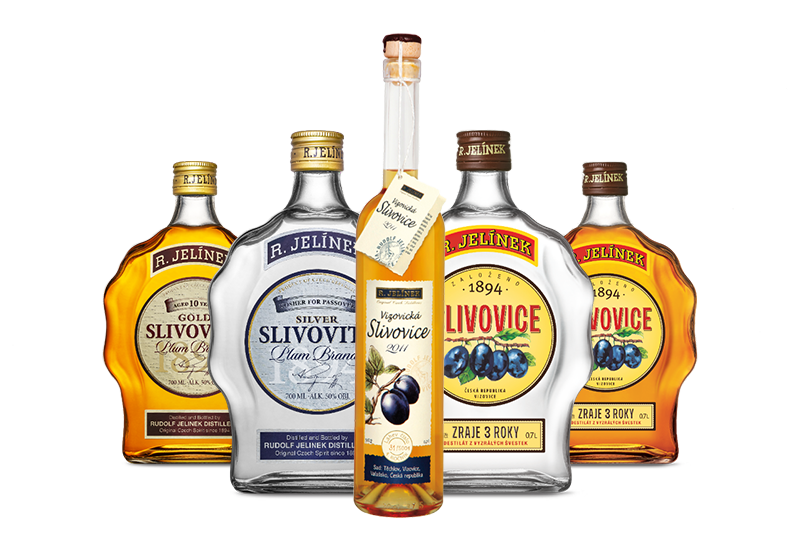
Our company continues for more than 400-year tradition of Wallachian alcohol production. The first written evidence of a distillery is found in the urbarium of the Vizovice fief dating back to 1585.
We look back on our long history with pride and consider ourselves an inseparable part of Wallachia. Our slivovitz, pear brandy, and other fruit spirits are traditional regional products that have made Vizovice and this region famous far beyond the borders of this country.
0
Years of tradition in the manufacture of fruit brandy0
The founding of the RUDOLF JELÍNEK company0
The beginning of exports to the US0
The establishment of our own fruit orchardsNews from our company
Stay informed. There is always news from our company.
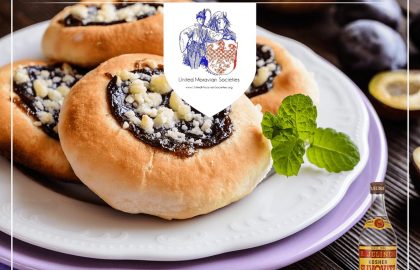
United Moravian Societies would like to invite you to the 83rd Moravian Day Festival on September 24th and 25th in Chicago.
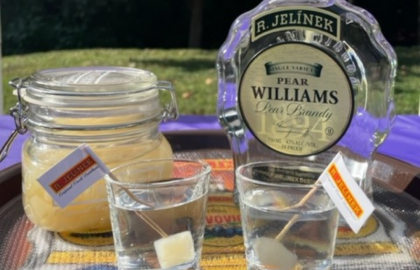
JUN 10 AT 5 PM – JUN 11 AT 11 PM
11520 E Putnam St, Sugar Creek, MO 64054-1150, United States
We feel that popularising fruit spirits around the world is our mission.
We continue the successful business venture started by Rudolf Jelínek in the 1930s, when he first succeeded in exporting kosher spirits to the United States (1934). We are proud of our ability to continue and add to these export successes.
CONTACT USOur production represents the continuation of long-time traditions.
The flagship product of our company is slivovitz, which we produce in several different variants (clear, gold, kosher, and single-variety unblended). Furthermore, we produce other high-quality fruit spirits such as Williams pear brandy, apricot brandy, cherry brandy, and apple brandy.
SHOW PRODUCTS


Copyright © 2023 - RJELÍNEK. ALL RIGHTS RESERVED.